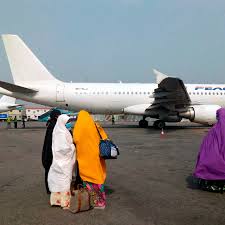
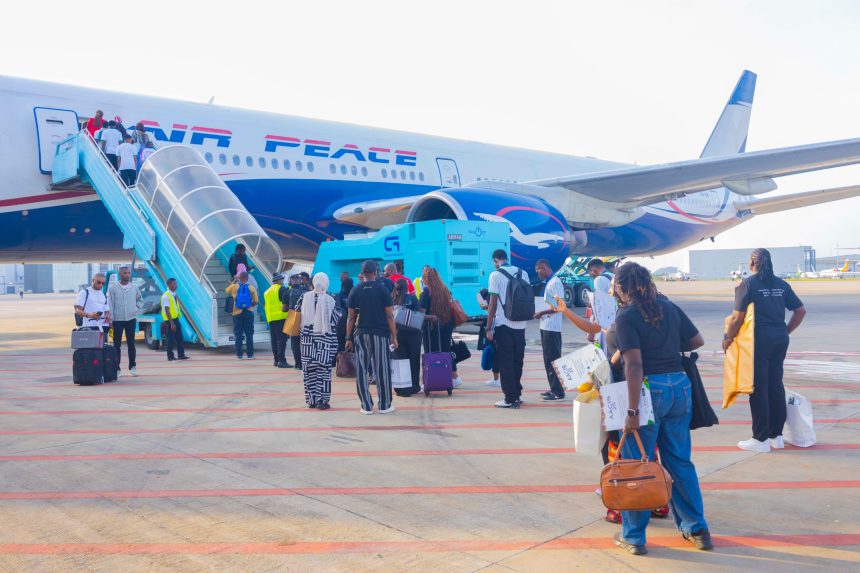
Nigerian airlines have received a crucial bailout from the Federal Government, providing relief to an industry that has struggled for years under financial pressure, operational challenges, and rising costs. The aviation sector in Nigeria has faced numerous setbacks, including increasing fuel prices, fluctuating foreign exchange rates, high maintenance expenses, and difficulties accessing spare parts due to import restrictions. These challenges have pushed many airlines to the brink, forcing some to suspend operations temporarily, reduce flight frequencies, or raise ticket prices. The bailout is therefore seen as a necessary intervention to stabilize operations and prevent the collapse of the industry, which plays a vital role in connecting major cities, supporting trade, and boosting tourism.
The financial support from the government aims to ease the burden on domestic carriers, enabling them to settle part of their outstanding obligations and improve their operational efficiency. Many airlines have accumulated debt from fuel suppliers, aircraft lessors, and service providers, making it difficult to maintain regular flight schedules. With the bailout funds, operators are expected to invest in critical areas such as aircraft maintenance, staff salaries, airport service charges, and improved safety protocols. The government’s decision reflects an understanding that a functional aviation sector is essential for economic growth, business mobility, and national development.
This bailout also comes at a time when airline operations have been significantly affected by the rising cost of aviation fuel, often referred to as Jet A1. In recent months, prices have reached record highs, forcing airlines to adjust ticket prices several times and making air travel less affordable for many Nigerians. The high cost of fuel has been one of the major factors hurting the financial stability of the airlines. By offering financial relief, the government hopes to reduce the pressure on airlines and prevent further fare hikes that could push travelers away from air travel. A more stable pricing environment is expected to benefit both passengers and airline operators.