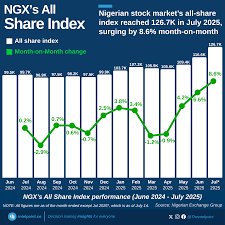
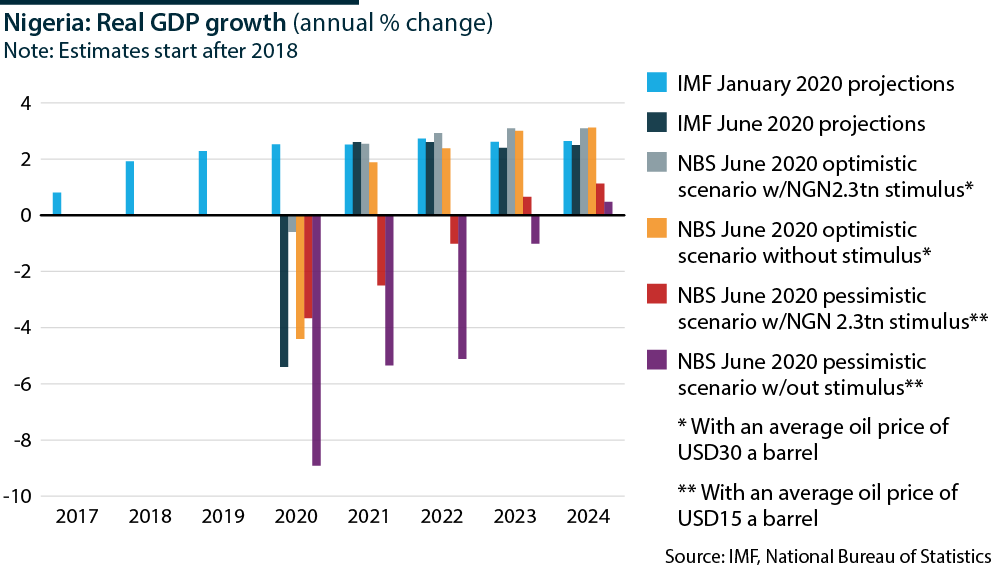
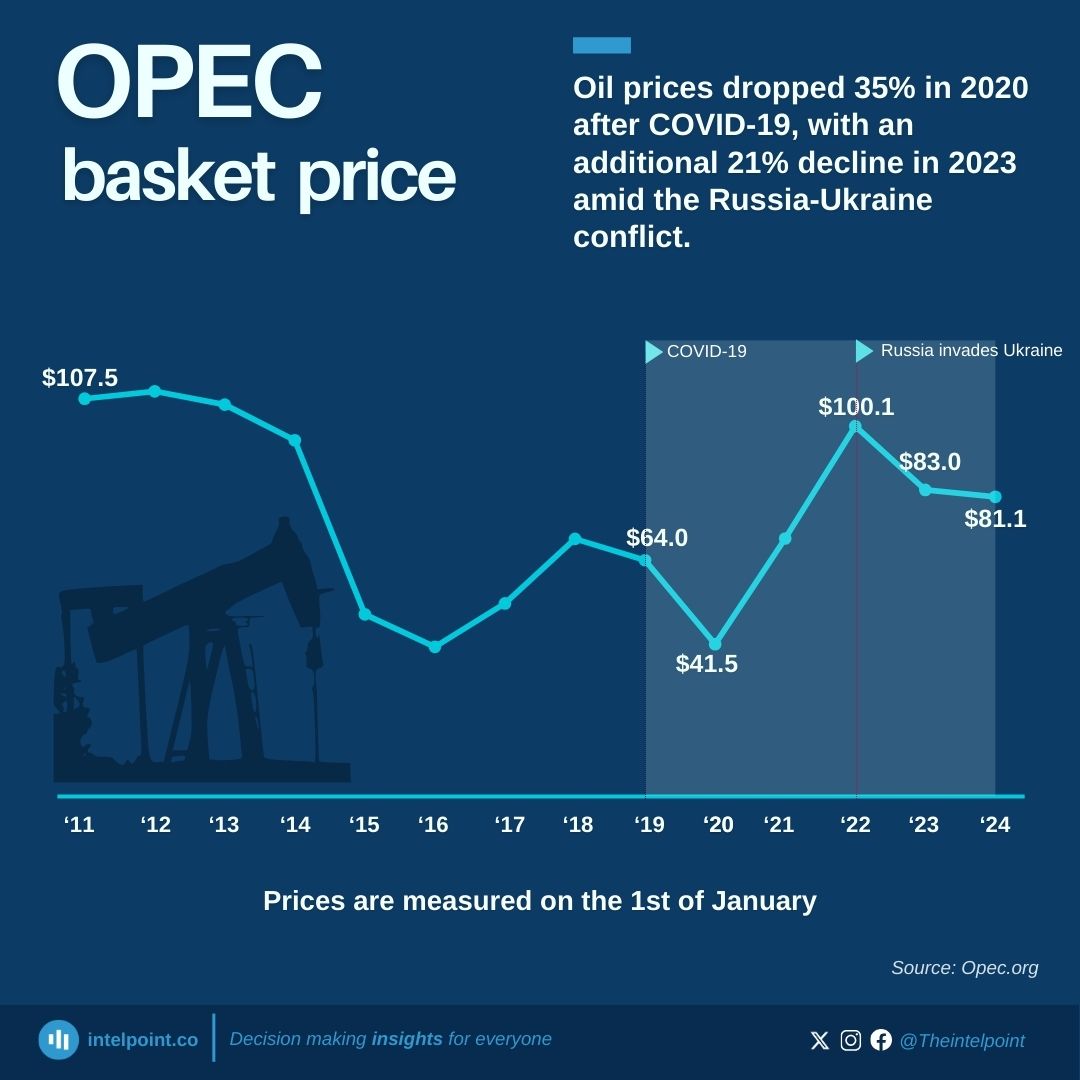
The Nigerian Stock Exchange (NSE) has recently experienced significant volatility, reflecting fluctuations in both local and global economic conditions. Factors such as changes in oil prices, inflationary pressures, foreign exchange instability, and global market trends have contributed to swings in stock values. Investors are responding cautiously, adjusting portfolios to mitigate risk while navigating uncertainties in key sectors like banking, energy, and consumer goods.
This volatility has implications for both individual and institutional investors, as market unpredictability affects returns and investment strategies. While some investors view fluctuations as opportunities for short-term gains, others adopt a more conservative approach, focusing on stable stocks or diversifying across different sectors. The movement in stock prices also impacts business confidence, capital raising, and overall market liquidity, underscoring the need for careful monitoring and strategic planning.
To address these challenges, regulators and market operators are emphasizing transparency, investor education, and the implementation of robust risk management practices. By promoting stable trading environments, improving market information systems, and encouraging long-term investment strategies, the NSE aims to maintain confidence in Nigeria’s capital market. Over time, these efforts are expected to enhance market resilience, attract new investors, and support sustainable economic growth.