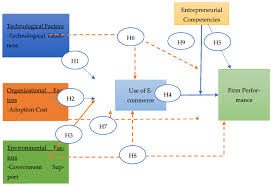
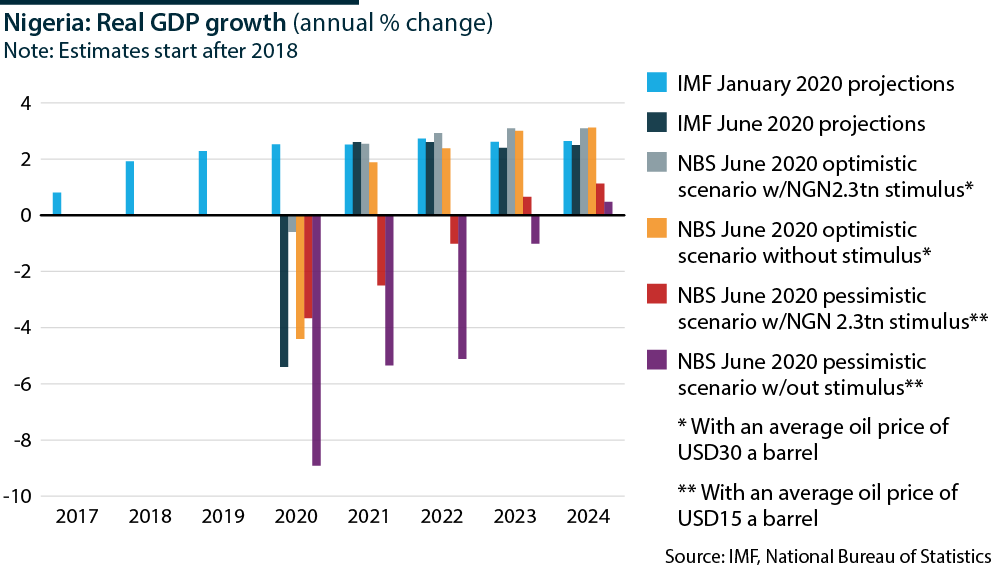
Small and medium-sized enterprises (SMEs) in Nigeria are increasingly adopting e-commerce platforms as a strategy to expand their customer base and remain competitive in a rapidly digitizing market. With the rise of online shopping and digital payments, SMEs are leveraging platforms that allow them to sell products directly to consumers without relying solely on physical stores. This shift has become particularly important during periods of restricted mobility and economic uncertainty, as businesses look for alternative ways to sustain revenue.
By using e-commerce solutions, SMEs can manage inventory, track sales, and interact with customers more efficiently. Many businesses are also taking advantage of social media and online marketplaces to market their products, provide customer support, and gather insights into consumer preferences. The flexibility offered by these platforms enables even small operators to reach regional and international markets that were previously difficult to access, helping them scale operations more effectively.
The adoption of e-commerce is also supported by increased digital literacy, better internet infrastructure, and government initiatives aimed at promoting online business. As SMEs embrace these digital tools, they are improving efficiency, reducing operational costs, and creating new job opportunities in logistics, marketing, and IT support. Overall, the trend reflects a transformation in Nigeria’s commercial landscape, where digital channels are becoming essential for growth and sustainability.