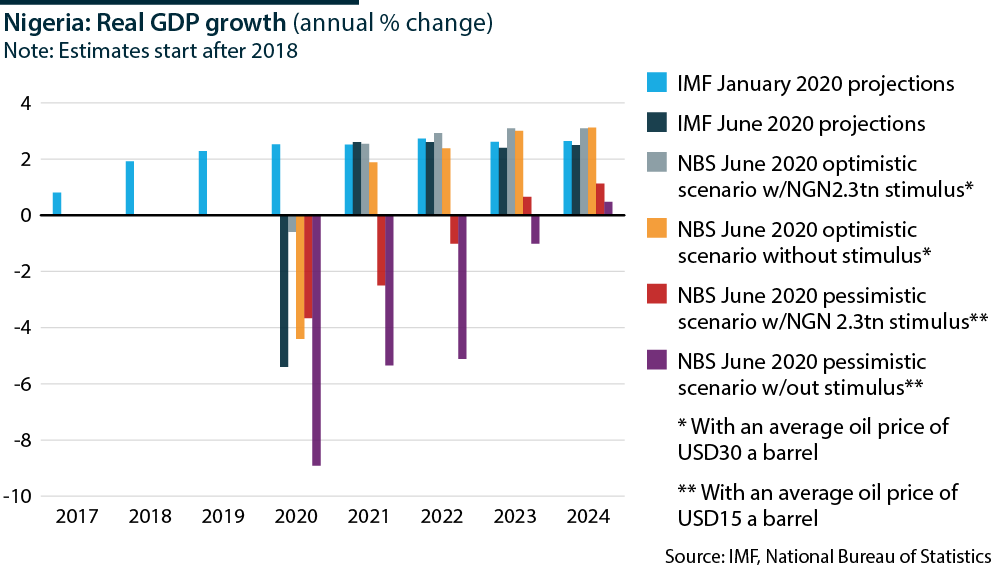
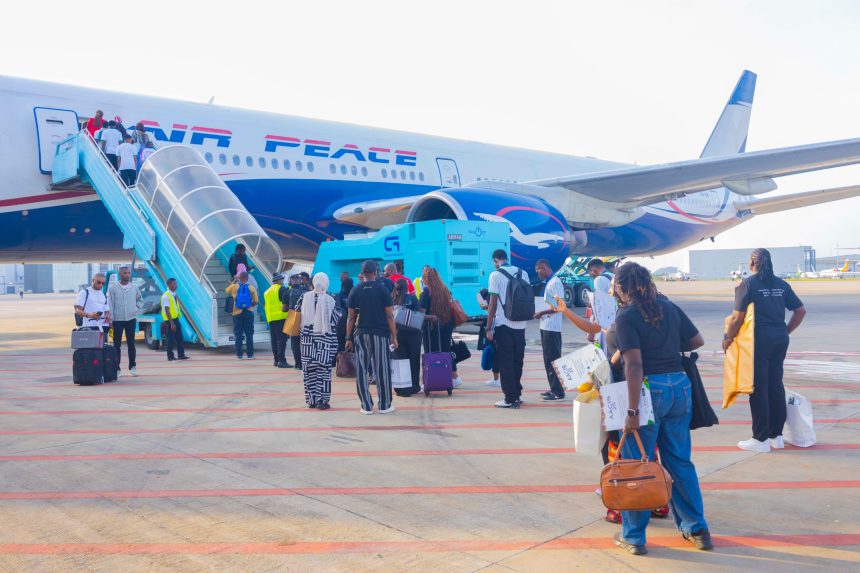
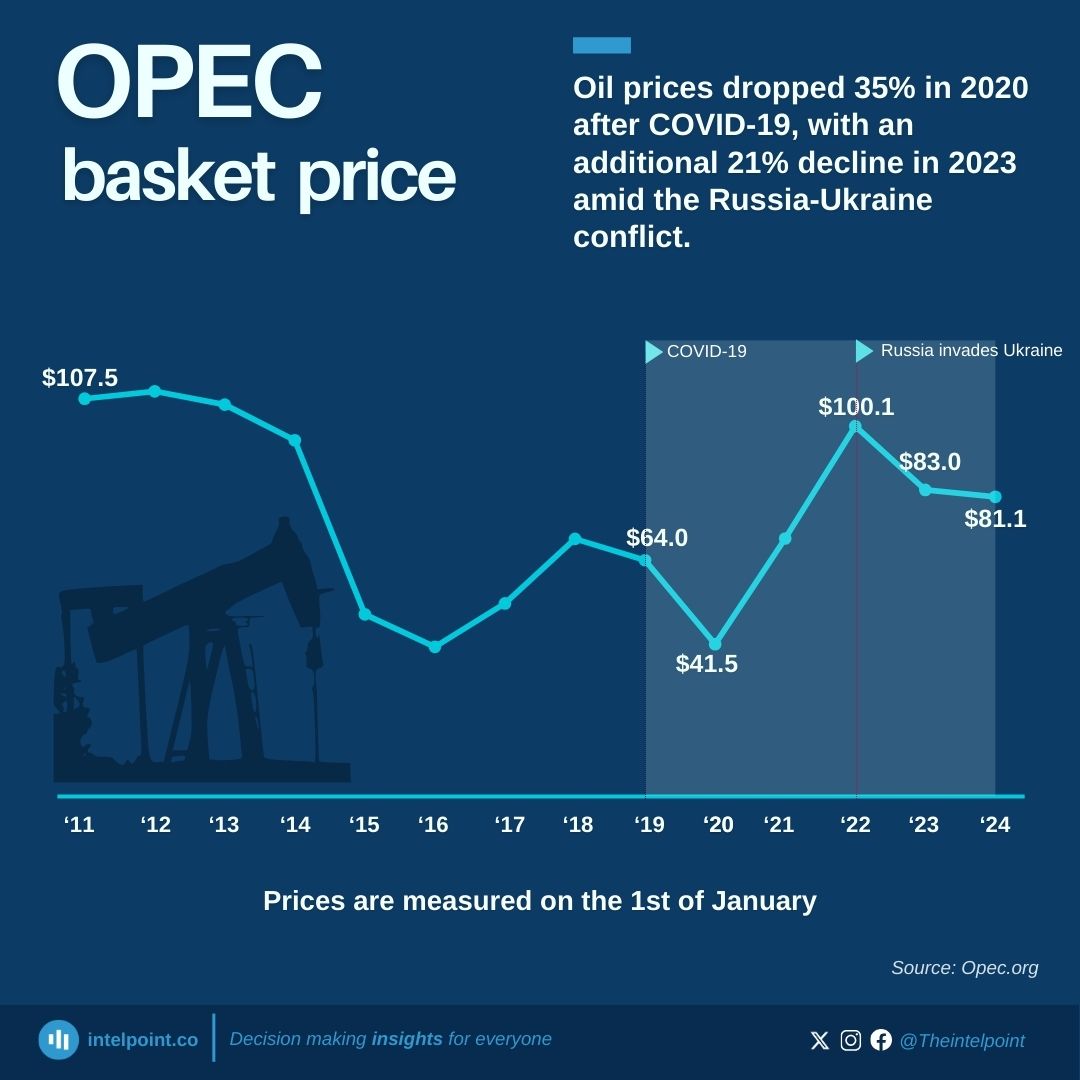
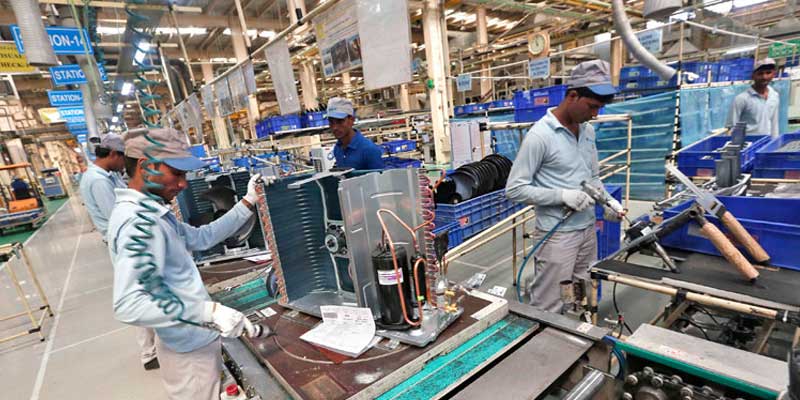
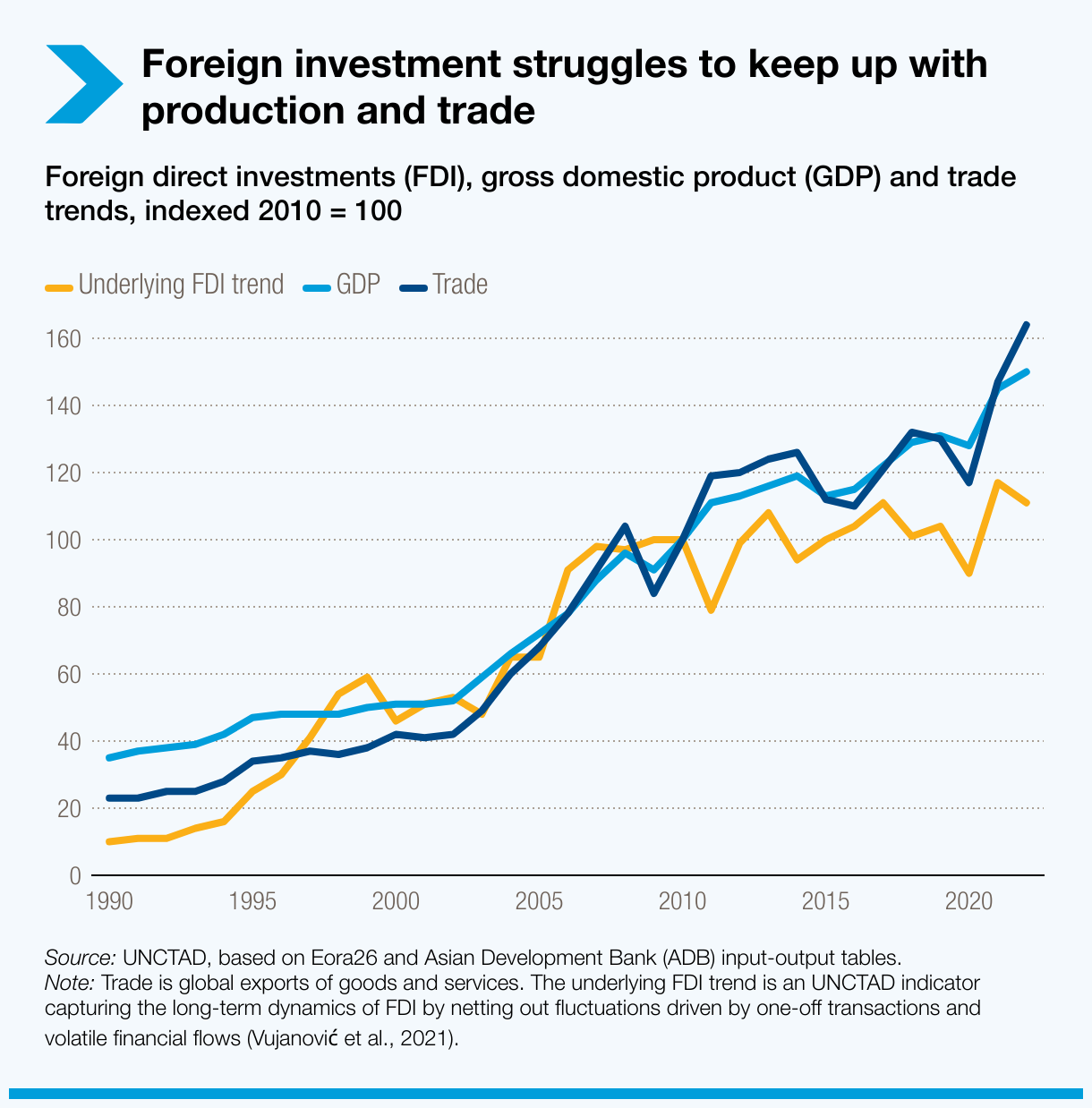
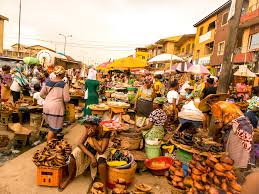
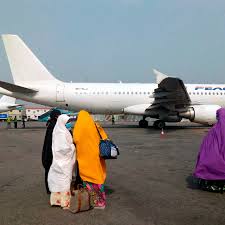
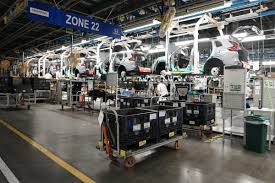
Nigeria’s GDP contracted significantly due to the economic disruptions caused by the COVID-19 pandemic, reflecting the impact of reduced global demand, lockdown measures, and declining oil prices. Key sectors such as manufacturing, trade, hospitality, and transportation were particularly affected, leading to lower output and revenue generation. The contraction underscored the country’s vulnerability to external shocks and highlighted the need for economic diversification beyond oil dependency.
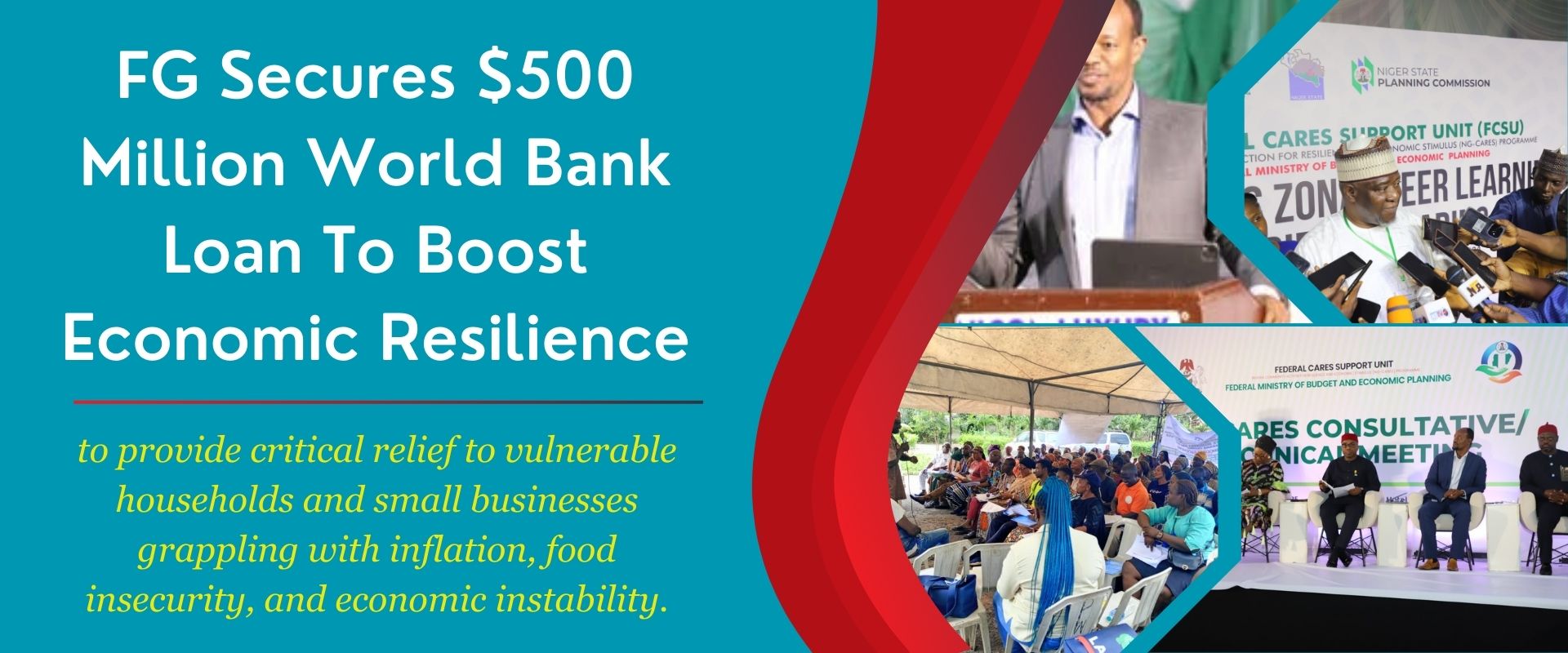
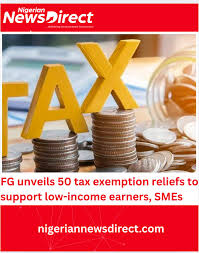
The pandemic-induced slowdown resulted in job losses, decreased consumer spending, and reduced investment inflows, further straining the economy. Businesses faced challenges in sustaining operations amid movement restrictions and supply chain disruptions. The government responded with fiscal stimulus packages, social intervention programs, and support for small and medium-sized enterprises to mitigate the adverse effects and support recovery efforts.
Moving forward, Nigeria is focusing on strategies to rebuild economic growth and resilience. These include promoting digitalization, encouraging local production, supporting agriculture, and attracting investment in non-oil sectors. Strengthening healthcare infrastructure, improving fiscal management, and enhancing social safety nets are also priorities to better prepare the economy for future crises. By implementing these measures, Nigeria aims to stabilize GDP growth and ensure sustainable development post-pandemic.