Nigeria is intensifying efforts to promote export-oriented policies as part of a broader strategy to strengthen the economy, reduce dependence on oil revenue, and expand its footprint in regional and global markets. For years, the country has grappled with challenges such as fluctuating oil prices, currency instability, and limited diversification, all of which have put pressure on national revenue and slowed economic growth. In response, the government is pursuing new measures that encourage local industries to produce goods not just for domestic consumption but for international markets, aiming to increase foreign exchange earnings and enhance Nigeria’s competitiveness abroad.
One of the central goals of the new export-oriented direction is to support the growth of non-oil sectors, especially agriculture, manufacturing, solid minerals, and technology-based services. The government has introduced incentives such as tax breaks, simplified export documentation, and access to credit facilities for businesses that demonstrate export potential. These incentives are designed to lower the barriers that have historically discouraged companies from entering foreign markets. By reducing bottlenecks and improving the ease of doing business, policymakers hope to inspire more local producers to scale up their operations and meet international quality requirements.
Agriculture remains a major focus, given Nigeria’s vast arable land and diverse crop production. Export policies now emphasize the improvement of value chains for products such as cocoa, cashew, sesame, ginger, and palm oil. Investments are being channeled into processing facilities, quality control systems, and storage infrastructure to ensure that Nigerian agricultural goods can meet global standards. By moving beyond raw material exports to value-added products, the government aims to increase revenue and create more jobs, especially for young people and rural communities.
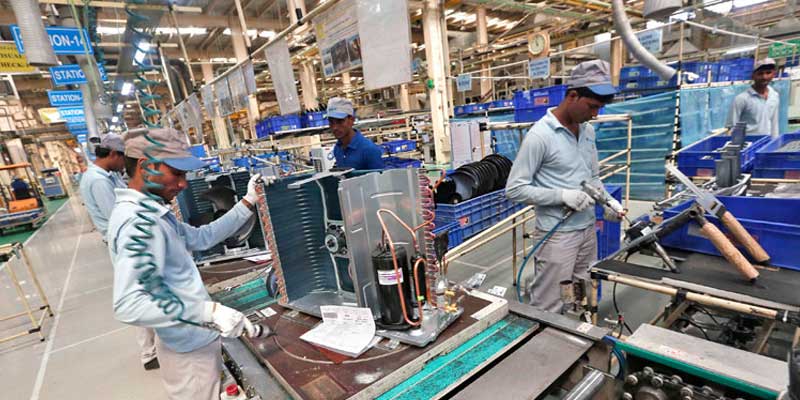
Manufacturing is also gaining attention as a critical component of the export-oriented strategy. Through initiatives that support local factories, promote industrial parks, and enhance access to electricity and transportation infrastructure, the government seeks to make Nigeria an attractive hub for regional production. Manufacturers of textiles, chemicals, plastics, and household goods are being encouraged to tap into the growing demand across Africa, especially with the African Continental Free Trade Area (AfCFTA) creating a unified market of over a billion people. The hope is that Nigerian products can gain a stronger presence across the continent, boosting the country’s role in regional trade.
Part of promoting exports involves strengthening institutions responsible for export regulation, certification, and promotion. Agencies such as the Nigerian Export Promotion Council (NEPC) and the Standards Organisation of Nigeria (SON) are receiving support to modernize their processes and collaborate more closely with exporters. These institutions play a vital role in guiding businesses on international standards, offering training programs, providing market intelligence, and helping producers navigate the often complex requirements of exporting goods. Improved coordination among these agencies is expected to make exporting easier and more efficient for businesses of all sizes.