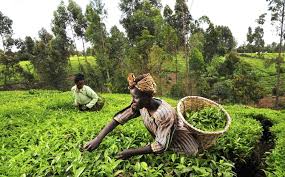
The Federal Government of Nigeria is actively promoting agricultural value chains to enhance productivity, boost farmers’ incomes, and strengthen the country’s food security. By focusing on value addition, the government aims to move beyond raw commodity exports and support the processing of crops such as cassava, cocoa, rice, and cashew. This approach allows farmers and agribusinesses to capture more of the economic benefits within the country while creating new employment opportunities in rural communities.
Efforts to strengthen agricultural value chains include providing access to modern farming equipment, improved seeds, storage facilities, and processing technologies. The government is also facilitating partnerships between farmers, cooperatives, and private investors to streamline supply chains and ensure products meet both local and international quality standards. These measures help reduce post-harvest losses, increase efficiency, and make Nigerian agricultural products more competitive in global markets.
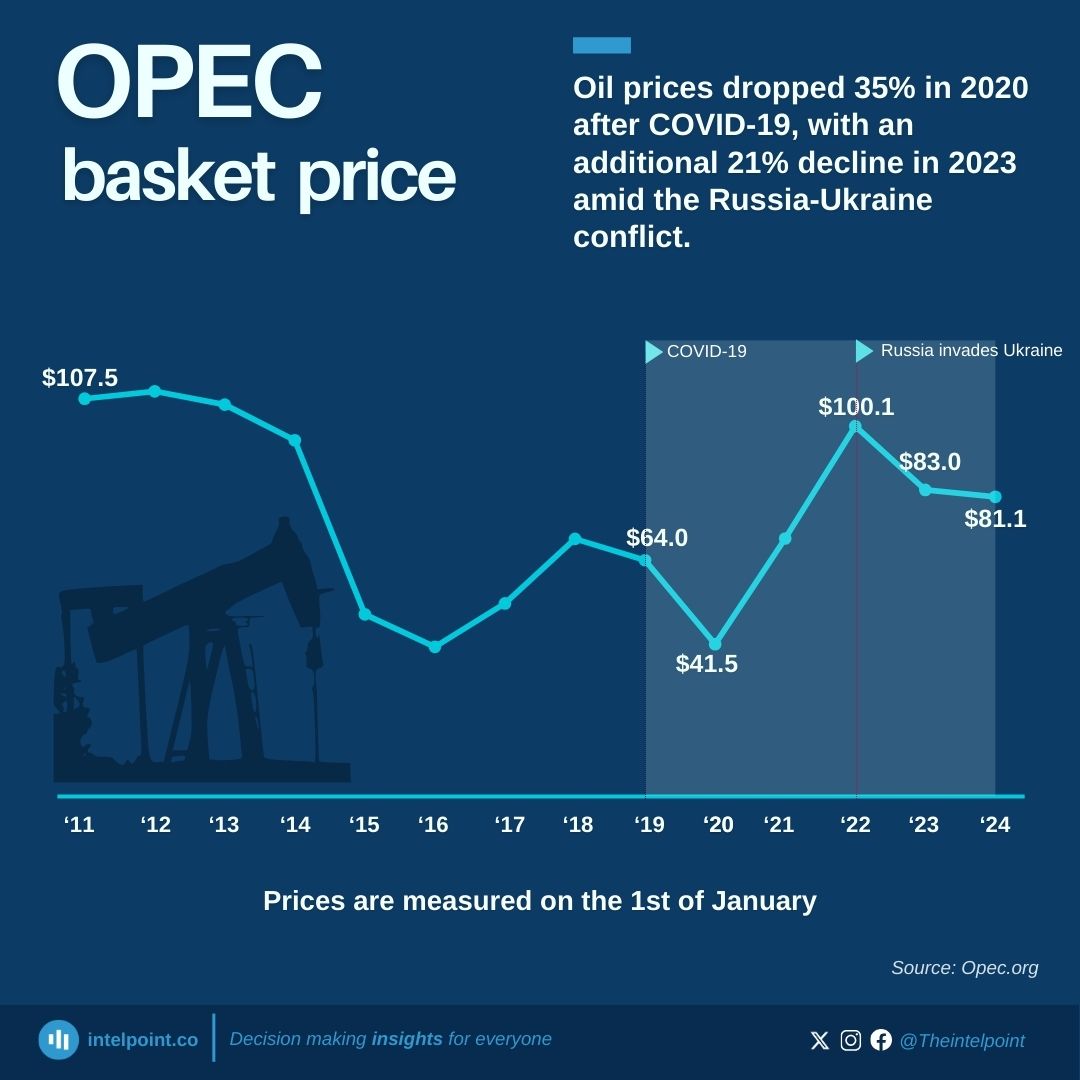
The promotion of agricultural value chains aligns with broader economic diversification goals, reducing reliance on oil revenue and supporting sustainable development. By investing in infrastructure, training, and market access, the government is enabling smallholder farmers and agribusinesses to grow and scale their operations. Over time, these interventions are expected to strengthen Nigeria’s agricultural sector, improve food availability, and contribute to long-term economic growth.