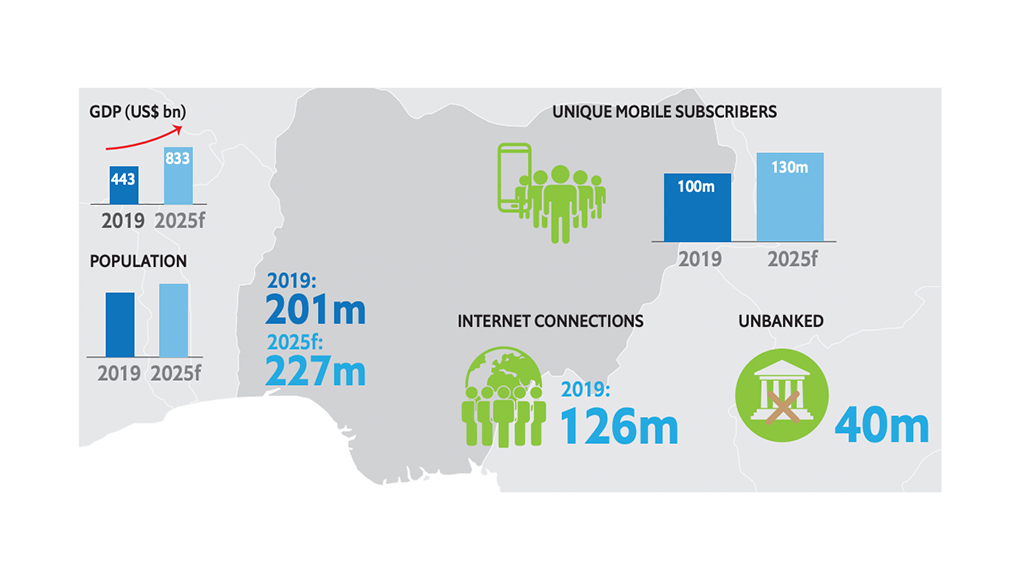
The Federal Government has introduced the National Digital Economy Bill as part of its strategic move to strengthen Nigeria’s rapidly expanding digital sector and ensure that digital activities across the country are properly regulated, coordinated, and aligned with global standards. The bill is designed to provide a unified legal framework that supports innovation while also protecting users, businesses, and national interests. As Nigeria continues to experience rapid growth in technology adoption—ranging from fintech and e-commerce to digital communication and data-driven services—the need for a clearly defined structure has become more important than ever. The bill seeks to address gaps in online safety, data governance, digital rights, and the overall management of digital resources.
A major intention of the National Digital Economy Bill is to create an environment where digital businesses can grow with confidence while citizens can participate in online activities without fear of exploitation or unsafe practices. The bill outlines principles for responsible digital engagement, aiming to ensure that platforms operating within Nigeria follow rules that protect users from harmful content, misinformation, and practices that could compromise their security. It also emphasizes the importance of cybersecurity, proposing frameworks that would help the government respond more effectively to cyber threats, digital fraud, and other forms of online crime that have become increasingly common.
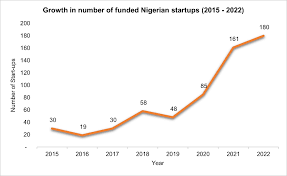
In addition to safety and security, the bill supports innovation by encouraging fair digital competition and opening opportunities for startups, creators, and digital entrepreneurs. Nigeria has one of the most vibrant tech ecosystems in Africa, and the government recognizes that clear digital policies can attract more investments, build trust, and stimulate job creation. The bill therefore promotes digital literacy, skills development, and access to digital infrastructure so that more citizens can benefit from the digital economy. The intention is to empower young Nigerians with the capabilities needed to thrive in a global digital marketplace.
The bill also aims to streamline the roles of various government agencies that operate within the digital space. Rather than having multiple bodies with overlapping responsibilities, the proposed law creates a coordinated structure that improves efficiency and reduces regulatory conflict. This is expected to make it easier for companies to comply with regulations and for the government to enforce them. Through this approach, the bill strengthens governance while also making Nigeria’s digital environment more predictable and business-friendly.
Overall, the National Digital Economy Bill represents a significant step toward modernizing Nigeria’s digital landscape. It balances innovation with protection, aiming to create a digital future where opportunities are widely accessible but also responsibly managed. By introducing this bill, the Federal Government demonstrates its commitment to building a secure, inclusive, and globally competitive digital economy that will support national development and empower millions of Nigerians now and in the years to come.