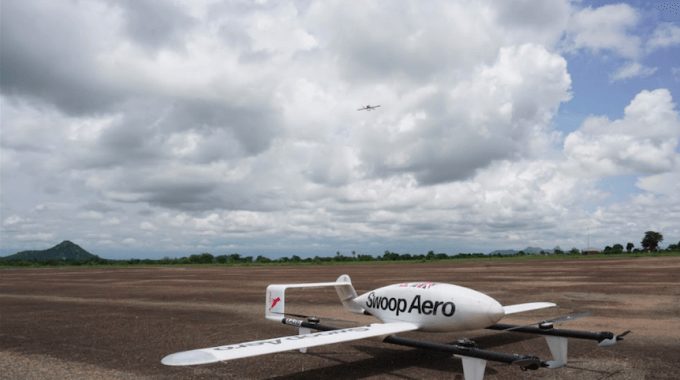
Nigeria has marked a significant milestone in its technological and logistics landscape by announcing its first drone delivery pilot, a development expected to transform the way goods are transported across the country. The introduction of this pilot program signals a bold step toward embracing innovative solutions that can address longstanding challenges in logistics, especially in areas where road infrastructure is weak or travel times are long. The drone delivery pilot is designed to test the feasibility, safety, and efficiency of using unmanned aerial vehicles to carry essential items such as medical supplies, documents, and small parcels across urban and rural areas, thereby reducing delivery times and improving access to critical services.
The announcement has generated excitement among technology enthusiasts, logistics companies, and government officials alike, who see the pilot as an opportunity to leapfrog traditional transportation barriers and bring cutting-edge innovation to Nigeria’s economy. In many parts of the country, poor road networks and traffic congestion increase the cost and time required for delivery services, making it difficult for businesses to operate efficiently and for individuals to receive timely deliveries. By deploying drones, especially in hard-to-reach regions, the government aims to alleviate these challenges and create a model that could lead to broader adoption of drone technology in logistics, healthcare, agriculture, and commerce.
One of the key motivations behind the pilot is the potential impact on the healthcare sector, where the timely delivery of medical supplies can be a matter of life and death. In remote communities with limited access to hospitals and pharmacies, delays in obtaining essential medicines or diagnostic samples have long posed serious challenges. The drone delivery program intends to demonstrate how unmanned aerial vehicles can bridge the gap by transporting blood products, vaccines, lab samples, and other critical materials quickly and reliably, particularly in emergency situations. This initiative aligns with global trends, where several countries have successfully integrated drones into their healthcare delivery systems, achieving faster turnaround times and improved outcomes in emergency care.
In addition to healthcare, the pilot is expected to benefit e-commerce and logistics firms that struggle to meet customer demand due to infrastructure limitations. Nigeria’s booming digital economy has led to a rise in online shopping and home delivery services, but inadequate transportation networks have sometimes hampered efficient service. Drone deliveries offer a complementary solution that can reduce pressure on traditional delivery methods, cut operational costs, and enhance customer satisfaction. Companies participating in the pilot will gather valuable data on flight performance, payload capacity, safety protocols, and regulatory compliance that can be used to refine drone technology and scale up operations in the future.