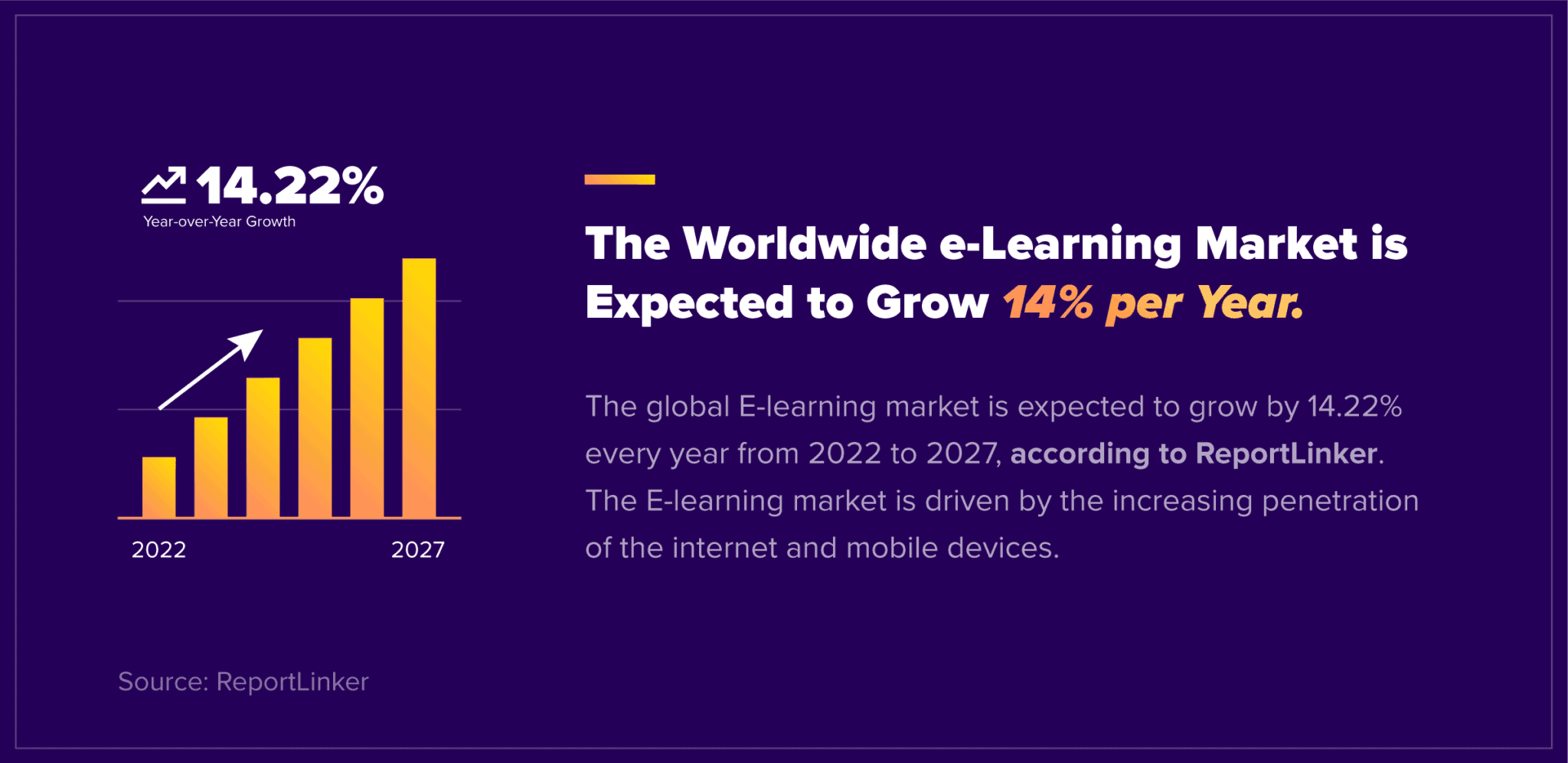
E-learning platforms have experienced a significant surge in popularity in recent years, driven by technological advancement, increased internet accessibility, and the growing demand for flexible learning solutions. Students, professionals, and lifelong learners are increasingly turning to online platforms as a convenient alternative to traditional classroom education. This shift gained even more momentum following global disruptions that highlighted the need for remote learning options, prompting institutions and individuals to explore digital tools that make education accessible from anywhere. As a result, e-learning has evolved from a supplementary resource into a major component of modern education systems.
One of the reasons for this rapid growth is the convenience that e-learning platforms offer. Learners can study at their own pace, revisit materials whenever necessary, and use various multimedia tools that make lessons more engaging. The availability of video tutorials, interactive quizzes, live classes, discussion forums, and progress-tracking dashboards allows students to tailor their learning experiences to their personal styles and schedules. This flexibility is especially valuable for people who balance education with work or family responsibilities, as it enables them to pursue new qualifications or skills without disrupting their daily routines.
Another factor contributing to the rise of e-learning platforms is the wide variety of courses they provide. From academic subjects like mathematics and science to practical fields such as programming, digital marketing, graphic design, and language learning, these platforms give users access to knowledge that would otherwise require expensive or inaccessible institutions. Many platforms also partner with universities and industry-leading companies to offer professional certificates, making it possible for learners to gain recognized credentials online. This has made education more inclusive, offering opportunities to individuals in remote areas or regions where certain courses are not locally available.
Technological innovations have also played a major role. Improvements in mobile devices, fast internet, cloud storage, and artificial intelligence have enhanced the quality and reliability of online learning. AI-powered recommendations help users find courses that match their goals, while automated grading and feedback systems make learning faster and more efficient. Additionally, the rise of virtual classrooms and digital collaboration tools has made remote learning feel more interactive and communal, reducing the feeling of isolation that sometimes comes with studying online.
Furthermore, many learners appreciate the cost benefits of e-learning. Online courses are often cheaper than traditional schooling, and they eliminate expenses like transportation, accommodation, and printed materials. Some platforms offer free introductory courses, financial aid, or subscription models that grant unlimited access to multiple subjects, making education more affordable for a broader population. This affordability, combined with the wide availability of high-quality content, makes e-learning an appealing option for people looking to improve their skills or expand their knowledge without financial strain.
Overall, the surge in popularity of e-learning platforms reflects a changing global attitude toward education. People now see learning as a continuous process that can happen anytime and anywhere, supported by technology that keeps evolving to meet their needs. As more individuals embrace digital education and institutions adapt to blended learning models, e-learning is becoming a central pillar of modern education rather than a temporary trend. It offers accessibility, flexibility, affordability, and a diverse range of learning opportunities, making it an essential tool for personal growth and professional development in today’s fast-paced world.